
Italy
The Legal Blow for Elkann Empire: Compulsory indictment and the Twilight of the Agnelli Empire (Stellantis, Juventus)

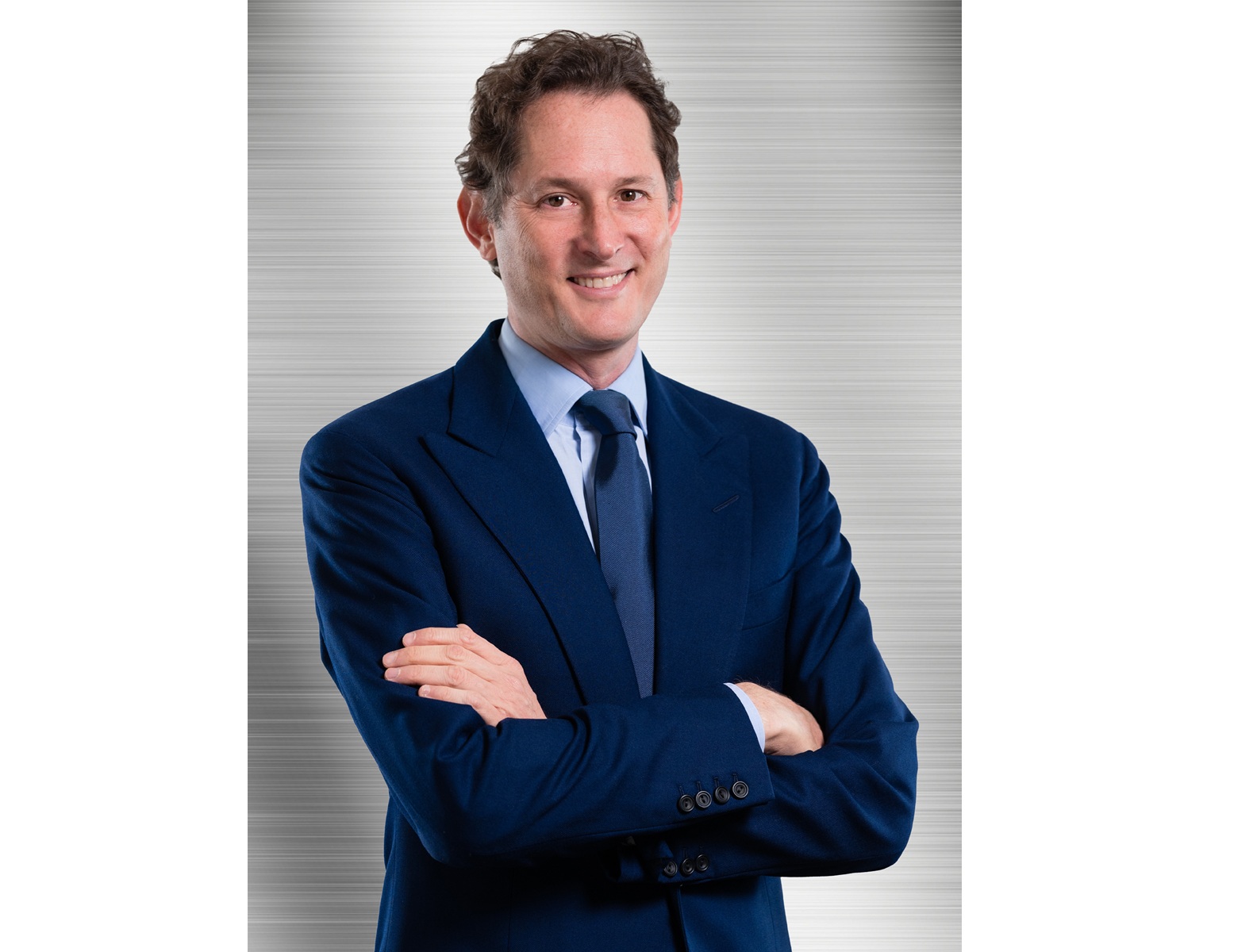
It is the kind of news that, in times past, would have been whispered in the drawing rooms of Turin and perhaps silenced by the major newspapers. But times have changed, and the wind blowing over the Mole Antonelliana is no longer the protective breeze of “The Avvocato.” The Preliminary Investigation Judge (GIP) of the Court of Turin, Antonio Borretta, has decided not to dismiss the case. On the contrary, he has raised the stakes: compulsory indictment for John Elkann and the “family accountant,” Juventus Chairman Gian Luca Ferrero.
It is a technical decision, certainly, but one with devastating political and economic weight. It arrives at a moment of extreme fragility for the Exor galaxy, squeezed between the industrial crisis at Stellantis, rumors of the sale of the Gedi media group, and bizarre sponsorship offers arriving from the world of cryptocurrency.
The Legal Fact: When the Judge Overrides the Prosecutor
To understand the gravity of the situation, one must strip away football allegiances or politics and look at criminal procedure. Usually, when a Prosecutor’s Office (the prosecution) requests a dismissal, the game ends there. In this case, the Prosecutor had asked to drop the charges of “fraudulent tax declaration” for the years 2018 and 2019, perhaps deeming what had already emerged—or been paid—sufficient.
Judge Borretta, however, said no. He read the files, evaluated the evidence regarding the alleged fictitious residence in Switzerland of Marella Caracciolo, widow of L’Avvocato Gianni Agnelli, and ordered the Public Prosecutors to formulate charges. In plain English: according to the judge, there is sufficient evidence to go to trial. The accusation is precise: using Donna Marella’s Swiss residence as a shield to hide the massive hereditary estate and generated income from the Italian taxman. We are talking about estimated tax evasion of over €40 million between 2015 and 2019.
It should be noted, for the sake of accuracy, that the judge did accept the dismissal for John’s siblings, Lapo and Ginevra Elkann, and for the Swiss notary Urs Robert von Grueningen. The circle, therefore, is tightening only around the man who holds the true scepter of command and his administrative right-hand man.
The €183 Million Snag and the Risk to “Probation”
Here the matter becomes intricate and purely “technical,” in the most insidious sense of the word. John Elkann probably thought he had put a tombstone over his legal troubles with the Revenue Agency. The defense had already agreed to a monstre payment of €183 million to settle tax liabilities, a move preparatory to the request for “messa alla prova” (probation with community service).
This legal mechanism allows a crime to be extinguished by performing public utility work. Elkann had made himself available to act as a “tutor” at a Catholic Salesian institute. The image of the Chairman of Stellantis, one of the world’s largest multinationals, teaching children in a classroom had already sparked no small amount of irony.
However, Judge Borretta’s order has thrown sand in the gears. Judge Giovanna De Maria, who was supposed to decide on the probation, has postponed everything to February 11, 2026. Why? Because if John Elkann were to go to trial for “fraudulent declaration” (the crime for which the compulsory indictment was triggered), his eligibility for probation in the other branch of the investigation (fraud against the State) could be compromised. You cannot grant “probation” to someone who is simultaneously accused of persisting in similar illicit conduct.
Elkann’s lawyers, visibly bitter, speak of an “abnormal” decision and have announced an appeal to the Supreme Court of Cassation, stressing that the settlement with the tax authorities is not an admission of guilt, but an act to close a painful chapter. But the blow to his image remains.
The Economic Context: An Empire Under Siege
Never before have legal affairs been so intertwined with the family’s industrial and media decline. The compulsory indictment arrives during a “Black December” for the Avvocato’s grandson.
-
The Gedi Divestment: The rumors are becoming increasingly insistent. The Gedi group (La Repubblica, La Stampa, and Il Secolo XIX which is already sold), once the cultural dreadnought of the Italian Left and the political shield of the Agnelli family, is for sale. There is talk of advanced negotiations with consortiums of domestic entrepreneurs. Selling newspapers means raising cash, certainly, but above all, it means losing that leverage and media protection that guaranteed impunity (or at least benevolence) for the FIAT group for decades. If Elkann sells Repubblica, he is exposed.
-
The Stellantis Crisis: While Turin discusses inheritance, Italian factories are facing furloughs. The Meloni government is at loggerheads with CEO Carlos Tavares and Elkann, accused of “Frenchifying” the company and dismantling the Italian automotive sector. In this climate, a legal trouble for the Chairman does not elicit solidarity from institutions; rather, it further weakens the company’s negotiating position with Rome.
-
The Tether Offer and Juventus: As the cherry on top, in recent days a sponsorship proposal for Juventus from Tether, the stablecoin giant, emerged (and was subsequently rejected). Although turned down, the mere existence of negotiations between the “Old Lady,” the symbol of Savoyard industrial capitalism, and a cryptocurrency giant (often at the center of transparency controversies), marks an epochal shift. From coal and steel to bits and decentralized finance, with Juventus desperately seeking liquidity to cover balance sheet holes.
And now ?
Compulsory indictment is not a conviction; it is worth reiterating that John Elkann is innocent until proven guilty. However, Judge Borretta’s decision signals that the “Turin Shield”—that sort of unwritten immunity the family enjoyed—has definitively collapsed.
We are facing a perfect storm: millionaire tax disputes, an industrial group losing market share and national identity, and the dismantling of media assets. The impression is that a historical circle is closing. Marella’s inheritance is not just a matter of paintings, Swiss houses, and offshore accounts; it is a metaphor for family capitalism that, in its attempt to globalize and financialize, has lost its roots and, perhaps, its protection.
The irony of fate remains: while they discuss whether Elkann can work as a tutor for the Salesians, the judiciary reminds him that, before teaching, there are still a few lessons in tax law to clear up.
Q&A
What exactly does “compulsory indictment” mean, and why is it important in this case? Compulsory indictment occurs when the Preliminary Investigation Judge (GIP) rejects the request for dismissal filed by the Public Prosecutor and orders the latter to formulate charges within ten days. It is a significant procedural event because it indicates that the judge, upon examining the files, deemed the evidence against the suspect solid enough to warrant a trial, effectively overruling the prosecution’s “softer” assessment. In the Elkann case, it signals a judicial determination to get to the bottom of the tax issue, despite requests to close it.
What is the link between this indictment and the sale of the Gedi group? There is no direct causal link, but a strong strategic and political correlation. The Gedi group (Repubblica, La Stampa) has historically represented the media and political “shield” of the Agnelli-Elkann family. The decision to sell, which now appears imminent, suggests that John Elkann is trying to rationalize the portfolio and generate liquidity, but it also indicates that the family may have given up on exercising the political influence that newspapers guaranteed. Without the protection of a friendly press, legal events like this risk having a much more damaging media resonance.
Why was the decision on “probation” postponed to 2026? Probation (suspension of proceedings with messa alla prova) allows for the extinction of a crime in exchange for community service. However,


Juventus between Saudi Sirens and the Shadow of Tether: Exor resists the €2 Billion, but the Market bets on weakness

Russia, a Bitter Start to 2026: Oil Revenues Plunge 50%. Global Prices Will Decide the Budget’s Future

Juventus: Exor’s “No” sends the token crashing. Are Fans rejecting Elkann’s entrenchment?

Not just offshoring: the revival of genuine Made in Italy jeans (handmade in Veneto)
